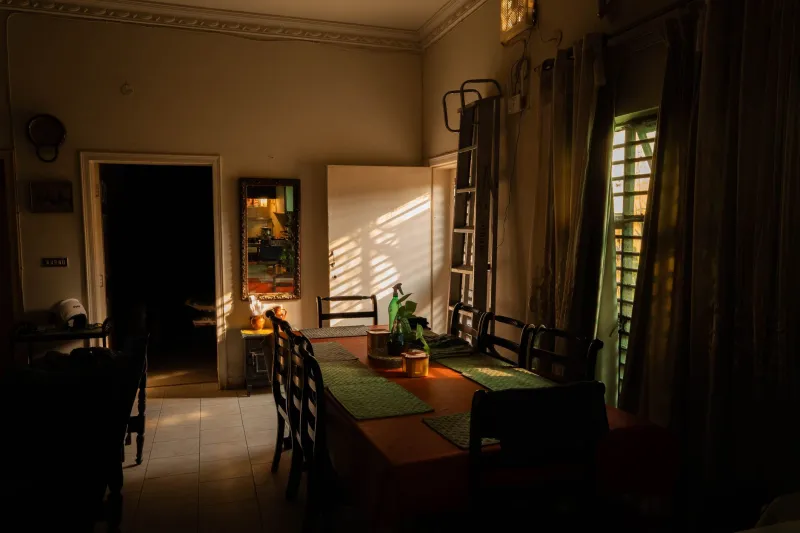
The Skirting Board Doesn’t Lie: How to Read a Rushed Flip Before You Offer
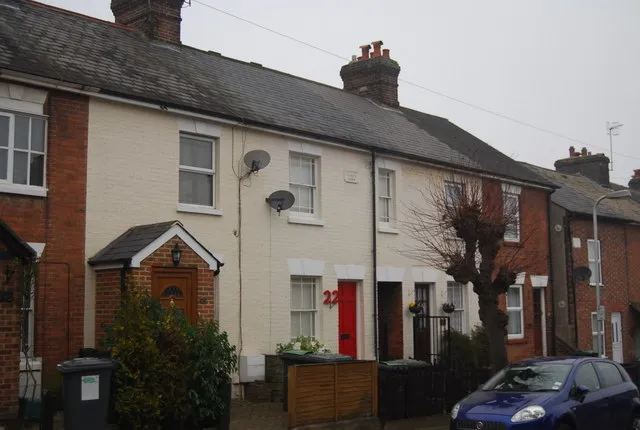
Photo: N Chadwick , CC BY-SA 2.0, via Wikimedia Commons
There is nothing wrong with a house that has been smartened up before sale. Plenty of sellers do a sensible round of decorating, fix the obvious snags and present the place at its best. But there is a difference between preparation and camouflage. When a tired property suddenly appears in crisp white emulsion with new skirting boards and a matching bath mat, buyers need to look a little harder.
A quick flip is not automatically a bad buy. Some are done well. The problem is that cosmetic work is cheap and fast, while the expensive stuff — damp, drainage, electrics, roof coverings — is neither. So the question is not ‘has this house been refreshed?’ It is ‘what was refreshed, how was it done, and what was left alone?’
Why Fresh Paint Is a Clue, Not a Crime
A newly decorated room tells you someone wanted the property to feel finished. That could mean a careful owner getting ready for market, or an investor working to a tight timetable. The giveaway is usually in the edges. Look at the junction between skirting and floor, the line where ceiling meets wall, and the state of light switches and door handles. Neat prep takes time. Masking tape and a quick coat do not.
Also ask what has actually changed. New carpet and a fresh coat of paint are presentation. A new consumer unit, a serviced boiler and a documented damp course are improvements. One is dressing; the other is work.
The Skirting Board Tell
New skirting can be a useful signal. In an older UK home, original skirting is often scuffed, painted over many times or missing in places. If every room now has crisp new boards but the doors are original and the floors slope, ask why. Sometimes it is simple modernisation. Sometimes new skirting has been fitted to cover blown plaster, hide a damp patch or tidy up the join between an uneven wall and floor.
Check behind furniture and under the stairs. Look for tell-tale beads of caulk, gaps that have been filled rather than repaired, and fresh paint that stops at a suspiciously straight line. New boards are fine — but they should sit on sound walls, not hide them.
Damp Dressed as Decorating
Painted-over damp is one of the most common quick-flip moves. Fresh stain-block paint can hold back a tide mark for a few weeks, long enough for a viewing and maybe a survey. Look for bubbling plaster, a faint musty smell, crumbling skirting, or sealant slapped around a window frame. Check the bottom corners of rooms, behind beds, inside cupboards and around chimney breasts.
Ask the seller directly about any history of damp, condensation or penetrating water. The TA6 property information form should cover known issues. If the answer is vague, make your surveyor aware before they visit. A damp meter is useful, but it is not a diagnosis. You want to know why the moisture is there and whether it has been properly addressed.
Kitchens and Bathrooms: Lipstick or Real Work
A new kitchen door front and worktop can transform a room for very little. That is not a con — it is just not a new kitchen. Look inside the cabinets, check the age of the boiler, and see whether the extractor fan actually goes outside. In bathrooms, fresh silicone and a new shower screen can distract from poor water pressure, slow drains or a lack of ventilation.
Ask who did the work and when. A proper refurbishment usually leaves a paper trail: invoices, guarantees, Building Regulations completion certificates for structural changes, Gas Safe records for boiler work and an EICR for the electrics. A rushed flip often leaves nothing but a tidy finish.
Windows, Floors and the Garden
New laminate can be laid over all sorts of unevenness. If it feels springy underfoot or the door has been trimmed to clear it, take note. Painted window frames can hide rotten timber, and fresh gravel can disguise poor drainage. Check gutters, downpipes and the roof from ground level. A garden that has been tidied is pleasant; a garden that has been paved over to hide a soggy lawn is worth understanding.
Questions Worth Asking Before You Offer
Start with the basics: how long has the seller owned the property, and why are they selling? If it was bought recently and is back on the market with fresh paint, ask what work was done and by whom. Request copies of certificates, not just promises that they exist. Ask what is included in the sale and what has been left untouched.
A second viewing in different weather is never wasted. Rain reveals drainage problems, gutters and damp patches that a dry day hides. Book a RICS Home Survey at the right level for the property, and tell the surveyor what you have noticed. In 2026, buyers have more information at their fingertips than ever, but a surveyor’s eyes on the actual building still matter.
When a Flip Is Fine
Do not reject a house simply because it has been renovated for resale. Some flips are solid, sensibly priced and well finished. The point is to separate presentation from substance. A good refurbishment will have evidence behind it and will not flinch at questions. A rushed one usually relies on the buyer being distracted by the shiny bits.
Fresh paint should make you curious, not suspicious. Look past the gloss, ask for the paperwork and let the survey confirm what is really going on. The skirting boards rarely lie — but you have to bend down and look.