Cold Snaps and Serious Buyers: Why a Winter Listing Still Makes Sense
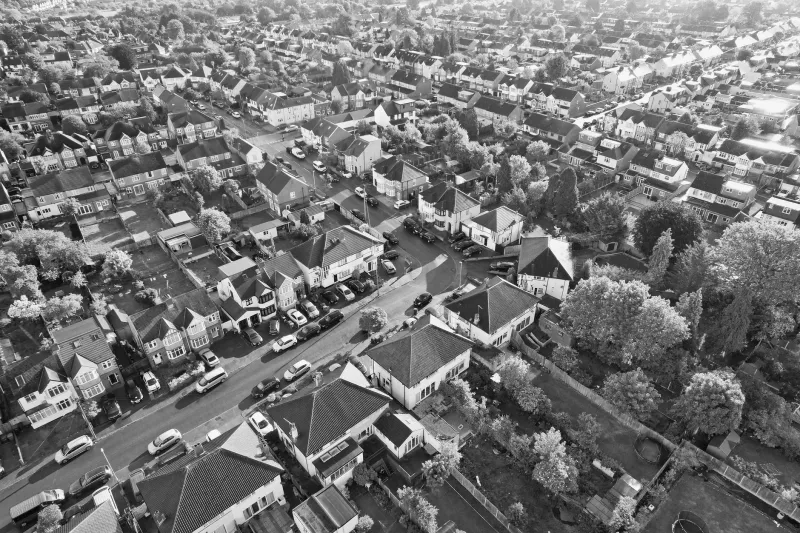
Every year, somewhere around the time the clocks go back, a familiar piece of folk wisdom starts doing the rounds: nobody buys a house in November or December. It's delivered with enormous confidence, usually by someone who heard it from a friend of a friend, and it persuades a surprising number of sellers to pull their listing and sit tight until spring.
We'd gently push back on that. Winter isn't a dead season — it's a narrower one. There are fewer people looking, yes, but the ones who are looking tend to have a reason. And a reason is worth more than a browser.
Who is actually house-hunting in the dark
Think about who books a viewing on a wet Tuesday in late November. It's rarely someone idly flicking through listings with a cup of tea. More often it's a tenant whose notice period ends in February, a couple relocating for a job that starts in January, someone whose purchase fell through in October and who is now under pressure from their own buyer, or a family who needs to be in the right school catchment before the next admissions round.
Those people aren't window shopping. They have a deadline, and a deadline is the single best motivator in property. Your job over the next few weeks is to be the house they can say yes to quickly.
Get the outside sorted before the light disappears
First impressions get compressed in winter. Buyers see the front of your home in gloom, so anything scruffy reads twice as badly. Clear the gutters and the drain covers, sweep the leaves, jet-wash the path if it's slippery, and check the porch light actually works. A working outside light and a clean house number cost almost nothing and make a genuine difference to a 4pm viewing.
If you have a garden, don't apologise for it being dormant — just tidy it. Put the furniture away, trim anything leggy, and make sure the back door opens smoothly. Buyers will still want to look outside, even if they need a coat to do it.
Photography when the sun clocks off early
This is where winter listings are won or lost. Photographs taken at 3pm in December look grey and flat, and grey and flat listings get scrolled past.
Book your photographer for the middle of the day — 11am to 1pm is usually the sweet spot — and turn every light on before they arrive. Table lamps, floor lamps, under-cupboard lighting, the lot. Warm bulbs beat overhead spots in photos. Open curtains and blinds fully, clean the windows inside and out, and move the car off the drive.
Ask about a twilight shot for the front elevation. A house glowing against a dark sky looks far better than you'd expect, and it gives you a strong lead image. A short video walkthrough is also worth considering now — it lets people rule themselves in or out before braving the cold, which saves everyone a wasted trip.
Heating, condensation and the damp question
Cold-weather viewings put moisture under the microscope. Condensation on the inside of windows, a whiff of damp in the hallway, or a radiator that never gets warm will all be noticed.
Service the boiler if it hasn't been done, bleed the radiators, and put the heating on an hour before viewings so the house feels lived-in rather than arctic. Don't overdo it — a blast of heat plus a blast of cooking smells is worse than neutral. Ventilate properly after showers and cooking, wipe down windowsills, and deal with any black spotting on sealant before someone else points it out.
Viewings in the dark
Be flexible. Weekday evening viewings are far more common in winter, and Saturday slots fill quickly. Clear the drive, grit the path if it's icy, and leave the hallway light on for anyone arriving after dark.
Think about the small practical things: somewhere to put wet shoes, a hook for coats, and a lamp on in every room so nobody is squinting at your spare bedroom. If you have a log burner or an open fire, light it. It's a cliché for a reason.
Price with your eyes open
Lower footfall means your asking price has to do more work. In a busy spring market you can sometimes get away with a speculative number and let competitive interest drag it upwards. In December, an overpriced listing simply goes quiet.
Look at what has actually sold on your street in the last six months rather than what neighbours are asking, and price to attract the small pool of motivated buyers rather than to flatter your own sense of what the house is worth.
Get a head start on the paperwork
One genuine advantage of listing now is that you can be sale-ready before the January rush. Instruct a solicitor early, dig out your Energy Performance Certificate, find the boiler certificate and any Building Regulations sign-offs, and start filling in the property information forms while you have time on your hands.
If you're in a leasehold flat, request the management pack now. It's often the slowest part of a transaction and every week you save in December is a week gained in February.
The January effect is real — get ahead of it
Portals see a sharp spike in traffic in the first fortnight of January, as people come back from the Christmas break with fresh intentions. Sellers who listed in November and December are already visible, already photographed and already known to buyers when that wave arrives. Sellers who waited until the new year are starting from zero.
So no, winter isn't dead. It's quieter, colder and less forgiving of a lazy listing — which is precisely why a well-prepared home stands out. If you'd like a straight conversation about whether now is the right time to go live, we're happy to give you one.