Where Will They Park? The Quiet Deal-Breaker Sellers Keep Missing
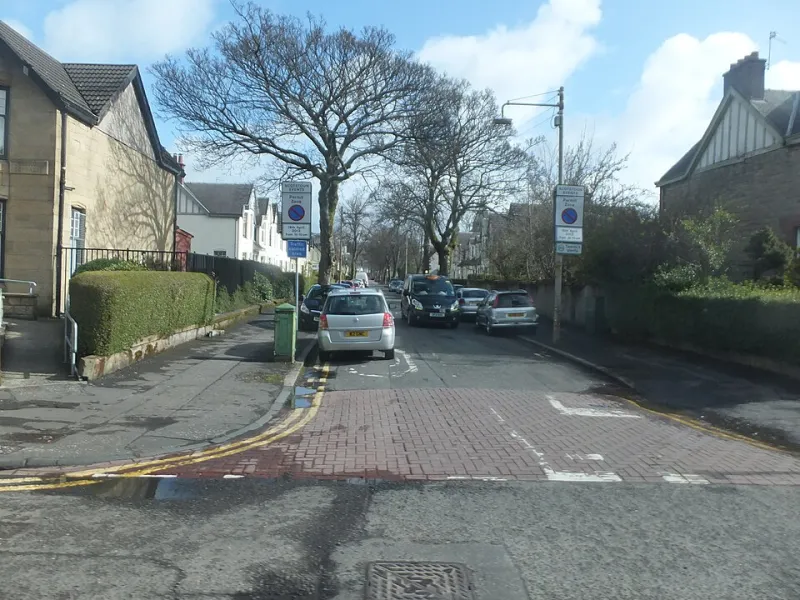
Photo: Barbara Carr , CC BY-SA 2.0, via Wikimedia Commons
Ask a buyer what they want and you'll hear about schools, transport links, a garden, maybe a decent kitchen. Parking tends to come further down the list — until they actually turn up at the house. Then it moves right to the top, often before they've stepped out of the car.
That's the funny thing about parking. It's not the reason most people buy a home, but it's frequently the reason they rule one out. And in 2026, with more households running two cars, more electric vehicles on driveways and more buyers doing their homework online before a viewing, it's worth giving the subject more thought than a single line in the particulars.
The first question after 'hello'
Viewers arrive by car. That's the reality. If they've driven across town, they've already navigated the school run, the ring road and the last-minute panic about where to leave the car. If they end up circling the block or parking three streets away in the rain, the mood shifts before they've even reached your front door.
It's not fair, but it's human. A buyer who can't picture where their car will live will struggle to picture themselves living there at all. So the job is simple: make parking obvious, honest and easy. If it's permit-only, say so upfront. If the driveway is shared, explain how it works. If the space is tight, don't let them discover that on the day.
What off-street parking actually adds
There's no neat multiplier. A driveway doesn't add a fixed percentage to your asking price, whatever you might read online. What it does is widen the pool of people who can realistically buy your home. For a family with two cars, a usable driveway can be the difference between a shortlist and a no. For a buyer with an electric vehicle, it's often a practical necessity rather than a nice extra.
The word 'usable' is doing a lot of work there. A driveway that's technically there but requires a degree in spatial awareness to enter isn't much of a selling point. Buyers will look at width, turning space, whether the bin lorry can still get past, and whether they can open a car door without clipping the hedge. They'll also check whether the dropped kerb is legal and properly constructed — a detail that can cause headaches later if it isn't. If you've got a garage, be honest about whether it's actually used for a car or whether it's become a very expensive storage unit. Most buyers will assume the latter anyway.
Permit zones: the good, the bad and the visitor scratchcard
Controlled parking zones are common in plenty of UK towns and cities, and they're not automatically a negative. Some buyers like the order they bring. But they do need explaining. Which permits are available? How much do they cost? Is there a waiting list? How do visitors park, and is there a scratchcard system or a visitor app?
If you're selling a home with permit parking, put the basics in the particulars and have the details ready at viewings. A buyer who understands the system is far less likely to walk away imagining daily parking wars. A buyer who discovers it for the first time on the doorstep is more likely to feel blindsided — even if the reality is perfectly manageable.
EV charging is moving from nice-to-have to viewing question
A few years ago, a home charger was a curiosity. Now it's a genuine viewing question. Buyers with electric cars want to know how they'll charge at home, and buyers without one are increasingly thinking ahead. If you've already got a charger, make sure it's mentioned and visible. If you haven't, it's worth knowing where one could go and whether the electrics would support it — because that's the question you'll be asked.
For flats and terraced homes without a driveway, the answer is more complicated. Don't overpromise. If charging means relying on public infrastructure nearby, say so plainly. Buyers appreciate honesty far more than a vague reassurance that 'something can probably be sorted'.
The driveway width test — and other things buyers actually do
Viewers will physically test a parking space. They'll open doors, imagine unloading shopping, picture a pram or a bike or a dog crate. They'll look at whether two cars can fit side by side, or whether it's a tandem arrangement that means one car is always blocked in. They'll check the state of the surface, the drainage and whether the space doubles as a handy place to store bins.
So present it properly. Clear the bins. Move the car if you can. Sweep the driveway. If there's shared access, explain the arrangement clearly and calmly. If there's a tight turn, don't hide it — buyers will find out anyway, and a straightforward explanation is far better than a surprise.
When you don't have parking
Plenty of perfectly good homes have no off-street parking. That's not a disaster. What matters is managing expectations before they become disappointments. If the street has unrestricted parking, say so — but don't promise a space outside the door. If it's a permit zone, give the details. If there's a nearby car park or a station within walking distance, mention it.
Some buyers will rule the house out. That's fine. Better to lose them early than waste everyone's time. The buyers who don't need parking will barely register the issue, and the ones who can live with the arrangement will appreciate knowing exactly what they're taking on.
The bottom line
Parking won't sell a house on its own. It's not a kitchen island or a south-facing garden. But it can quietly lose one — and it's one of the easiest things to get right. Be clear in the particulars, keep the space presentable and answer the question before it's asked. In a market where buyers have plenty to choose from, the little practical details often decide who comes back for a second look.