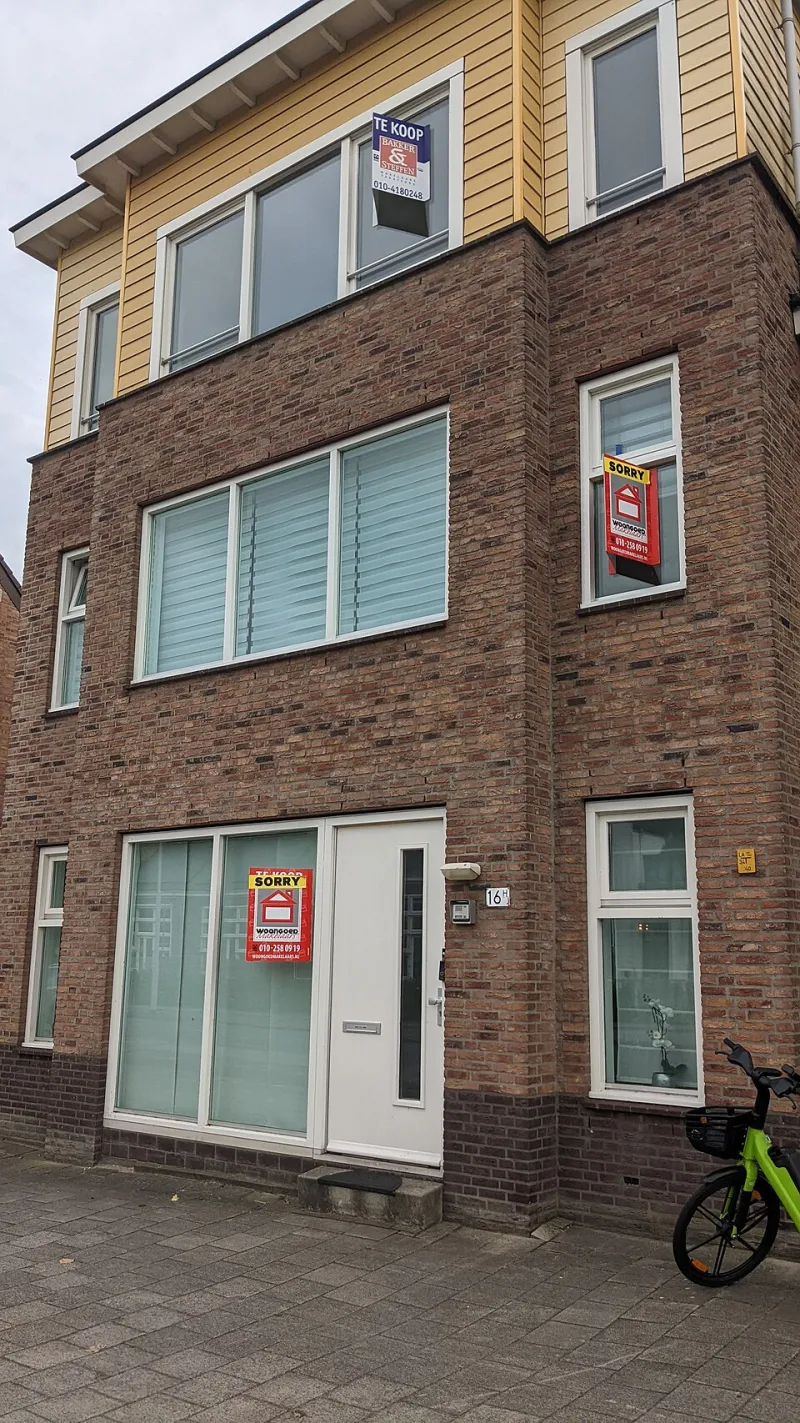
The Second Visit Is for the Street, Not the House
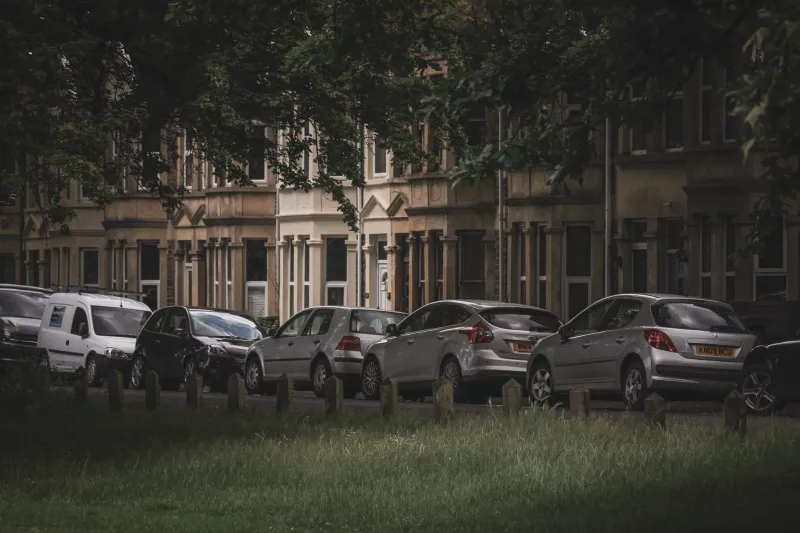
When you are buying a house, it is easy to treat the street as a backdrop. The property is the main event; the road outside is just where the car goes. That works until the first Friday evening when every space is taken, or the first Tuesday morning when the recycling lorry blocks you in. A second viewing is a good time to shift your attention from the floorplan to the neighbourhood — ideally without looking like you are conducting surveillance.
Visit at the times that matter, not just the times that suit you
Most viewings happen on a Saturday morning, when streets are at their most civilised. Try to add a weekday at about 8.15am, a school pick-up time around 3.15pm, and an evening slot after 6.30pm. If you can manage a Friday or Saturday night too, so much the better. You do not need to do all of this in one day. Spread it over a week and you will get a far more honest picture than any listing photo can provide.
At 8am you see the commuter squeeze: the junction that backs up, the parents doing three-point turns, the pedestrian crossing that nobody quite respects. At 3pm you see the school run, the pavement parking and the pushchairs negotiating the dropped kerb. After 6pm you see the parking reality and the takeaway deliveries. Bin day, oddly, tells you more about storage than any floorplan.
Listen for the things the listing cannot tell you
Stand still for five minutes. Can you hear the A-road? The railway? A pub garden? An extractor fan from a takeaway? A dog that seems to have a lot to say? Do not just listen at the front door. Walk 50 metres in each direction and stop again. Noise can be seasonal, too: a pub garden is a summer issue, a school playground is a term-time issue, and leaf blowers are an autumn issue. If you are viewing in winter, ask what it is like in June.
Light, pavements and the walk to the station
Go back after dark at least once. Are the streetlights working? Are the pavements even, or will you be dodging trip hazards with a suitcase? Does the route to the station feel comfortable, or does it involve a dark cut-through? If you will commute, do the walk at rush hour rather than on a lazy Sunday. Check the bus timetable as well as the train times, and find out how often the last service runs. A station on the map is not the same as a station you can rely on at 10pm.
Ask before you assume
Your estate agent can answer a surprising amount: parking restrictions, bin collection day, planned roadworks, conservation area rules, and whether there are any known disputes. Ask where residents park if there is no allocated space, and ask what the parking permit situation is if you have two cars. Check broadband yourself rather than relying on a passing comment. For flooding and planning, go straight to the Environment Agency and the council portal. The agent may not know about a noisy extractor fan, but they should be able to tell you what commercial premises are nearby.
The polite neighbour question
If you see someone in their garden, a brief “we are thinking of buying nearby — is there anything you would want to know?” is usually fine. Do not knock late, do not quiz children, and do not ask leading questions about specific neighbours. Most people are helpful if you keep it short. If nobody is about, do not loiter. Ask the agent to pass on a question instead.
Bin day is a surprisingly good test
Find out the collection day from the council website and, if you can, see where bins are stored and put out. Narrow pavements, terraced streets and shared alleys all affect this. If there is no front garden, where do the bins live? Is there a smell in summer? Are recycling boxes stacked by the door? It is not glamorous, but it is real life.
The Friday night parking squeeze
Visit between 6pm and 8pm on a Friday. Count the spaces. Look for double yellows, permit zones and cars parked half on the pavement. If you have two cars, will they fit? If friends visit, where will they park? A street that looks roomy at 11am can be full at 7pm. That is not a reason to walk away on its own, but it is a compromise you should make with your eyes open.
Write it down
Make notes: times, noise, parking, lighting and amenities. Compare two or three streets rather than relying on memory. A house can be right while the street is wrong, and the second visit is cheap insurance. Not every street will pass every test — most will not — but you will know exactly which compromises you are accepting before you offer.