Leasehold Homework: The Documents Worth Reading Before You Instruct a Solicitor

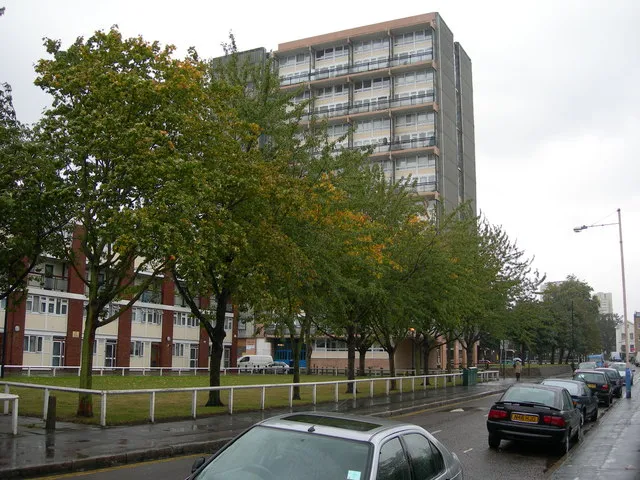
Photo: UK leasehold apartment building exterior with paperwork and keys on a table, via upload.wikimedia.org
Buying a leasehold flat can feel like falling for a person and then meeting their family. The flat itself may be lovely: bright, well-kept and close to the station. Then the documents arrive, and you find out about the ground rent review, the service-charge arrears and the cladding question nobody wanted to mention.
In 2026, buyers are more clued up than ever, but leasehold paperwork still catches people out. The time to ask for the important documents is before you instruct a solicitor, not after you have spent money on searches and surveys. You do not need to be a lawyer to spot the obvious warning signs. You just need to know what to request and what to ask.
Start with the lease itself
Ask for the full lease, not a summary. You want to know how long is left, what the ground rent is, how it can change, and what restrictions apply. A lease with 80 years left is not automatically a disaster, but it is a negotiation point. A lease with 60 years left and no clear route to an extension is a different conversation.
Look at the permissions section too. Can you keep a pet? Can you sublet? Can you alter the kitchen or replace the windows? What fees does the freeholder or managing agent charge for consent? These are the small print items that turn into real money later.
Ground rent: the small number with a long tail
Ground rent can look harmless on page one. Then you read the review clause. Some leases double the ground rent every ten or twenty years. Some link it to inflation. Some have already climbed to a level that makes lenders nervous.
Ask for the current ground rent and a clear schedule of future increases. If the seller or agent cannot explain how it changes, that is a red flag. You want to know what you will be paying in five, ten and twenty years, not just today. A low ground rent with a nasty review clause is not the bargain it first appears to be.
Service charges and sinking funds
Ask for at least three years of service-charge accounts, the current budget and the latest balance of the sinking or reserve fund. You want to see what the charges have been, what they are now, and whether there are any big works on the horizon.
A service charge that jumps around is worth questioning. A reserve fund that looks far too small for the building is worth questioning too. So are arrears on the block account. If the managing agent is chasing other leaseholders for unpaid charges, you may end up paying for it through higher future budgets.
Building safety and cladding
This is the part that can affect mortgages as well as peace of mind. Ask for the building safety information, any fire risk assessments, details of cladding or external wall systems, and any remediation plan. If works are planned, ask who is paying and when they are expected to finish.
You do not need to become a building safety expert. You do need to know whether the lender will be comfortable. If the seller cannot provide clear information, or if the managing agent gives vague answers about remediation, take advice before you go further. In 2026, a missing document can be as revealing as a bad one.
Permission fees and the small print
Ask for the managing agent’s fee schedule. You want to see the cost of consent to let, notice of assignment, deed of covenant, alterations, pets and anything else that needs a signature. These fees are often buried in the pack, and they can add up quickly.
Also ask whether there are any restrictions that affect everyday life: parking, bin stores, noise, short lets, business use or subletting. If you plan to rent the flat out later, check that the lease allows it and that you can afford the consent fee.
Questions to put to the managing agent
A short, polite email will usually get you further than a long list of demands. Try these:
- What is the current ground rent, and how and when does it review?
- Can you send three years of service-charge accounts and the current budget?
- What is the current reserve fund balance, and are any major works planned?
- Is there any cladding or external wall system information, and is there a remediation plan?
- Have there been any fire risk assessments or building safety issues in the last five years?
- Are there any service-charge arrears on the block?
- What fees do you charge for consent to let, pets, alterations and assignment?
- How long is left on the lease, and has the freeholder agreed to any extension in principle?
Keep the replies. They form part of the picture your solicitor will need.
When to walk away
Not every awkward answer is a deal-breaker. But some are worth taking seriously. A very short lease with no clear extension route, ground rent that doubles every few years, missing building safety information, a large service-charge arrears problem or a remediation bill with no plan can all justify walking away — or at least renegotiating hard.
At Harrisons Residential, we would rather a buyer ask the dull questions early than fall in love with a flat and discover the answers after instructing a solicitor. Leasehold homework is not glamorous. It is, however, much cheaper than learning the hard way.