Beyond the Front Door Key: The Handover Pack That Stops the After-Sale Phone Calls
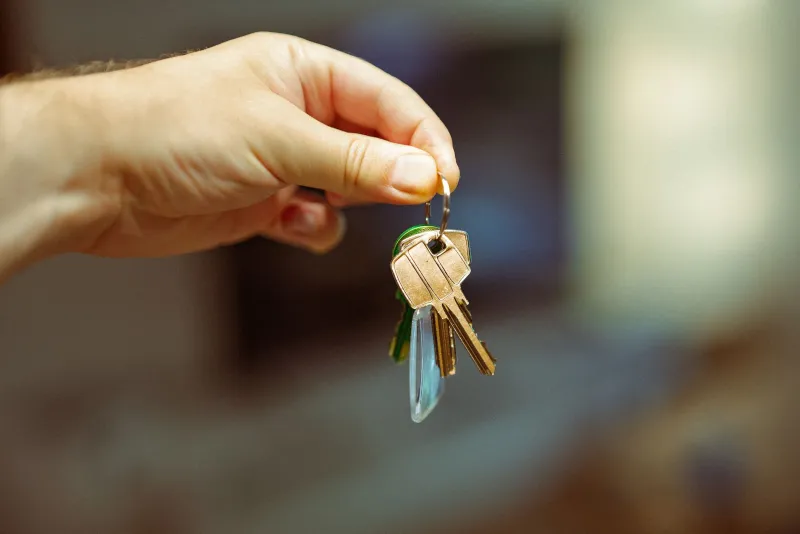
Completion day has a way of feeling like the finish line. The van is loaded, the solicitor has confirmed the money has moved, and the estate agent is standing there with a set of keys that are about to belong to someone else. Then, three days later, your phone buzzes. It's the buyer. "Sorry to bother you — where's the stopcock?"
It's a small thing, but it's the sort of small thing that turns a clean break into a fortnight of text messages. Most of the calls we see after completion aren't about serious defects or legal disputes. They're about the ordinary workings of a house: which key opens the shed, what the alarm code is, when the bins go out, whether the boiler has a service record. A little preparation before you hand over the keys can save everyone a lot of guesswork.
Take the readings before you take the keys out of the door
On completion day, take a photo of every meter. Gas, electricity, and the water meter if you can get to it. Make sure the photo is dated and that the numbers are legible. Write the readings on a sheet too — a photo is useful, but a clear line of text is easier for the buyer and the suppliers to deal with.
Note where the meters are. That sounds obvious, but meter cupboards hide in all sorts of places: under the stairs, in a hallway cupboard, outside in a black box on the wall. If you have a smart meter, leave the in-home display on the kitchen worktop and jot down the supplier's name. The buyer will need to set up their own account, and a starting reading avoids a lengthy argument about who used what.
Do the same for water. If you have a water meter, take a reading. If you don't, leave a note of the supplier and the location of the stopcock. That one detail alone can stop a minor leak turning into a major panic on moving day.
Every key you've forgotten you own
Most sellers hand over the front door key and the back door key, then drive off. A week later they remember the window keys, the shed padlock key, the garage remote, the key to the communal bin store, and the spare that lives at their mother's house.
Gather every key and fob before completion. Label them. A small tag or a piece of masking tape with "shed", "garage", "window lock — spare bedroom" is enough. If you have a key safe, leave the code in the handover pack and tell the buyer to change it. If there's a communal door fob, explain what it opens. If a neighbour has a spare key, get it back before you go.
Hand the whole lot to the estate agent or your solicitor in one labelled bag, rather than leaving loose keys in a kitchen drawer. It's a small courtesy that makes the first week in a new home far less fiddly.
The drawer of mystery remotes
Every house has one. A drawer or a basket containing three remotes, none of which seem to match the television, a small black box with a flashing light, and a manual for an appliance you replaced a few years ago.
Before you leave, clear it out. If an appliance is staying, leave its manual and any relevant accessories. If you have a boiler, leave the service record and the name of the engineer who looks after it. If the heating is controlled by a phone app, unlink your account and leave a short note explaining how the new owner can set up their own.
Alarm codes need special handling. Don't leave the code on a sticky note stuck to the keypad. Put it in a sealed envelope in the handover pack, or pass it through the agent, and tell the buyer to change it straight away. The same goes for any smart doorbell, camera system or garage door app. A short set of instructions is worth more than a drawer full of unidentified gadgets.
What stays and what goes — be honest, be early
The fixtures and fittings form — the TA10 — should have sorted this out before exchange. But forms don't always capture the reality of a house. Did you agree to leave the garden furniture? Is the shed staying? What about the log store, the curtain rails, the spare tiles in the garage?
Read the form again before completion and stick to it. If something is staying, leave it in working order and with any instructions. If something is going, take it. Don't leave a broken bookcase because you can't be bothered to take it to the tip. Buyers don't view a house full of leftover rubbish as a generous housewarming gift; they view it as a job.
If you have spare paint, tiles or flooring, leave them neatly labelled by room. That's genuinely useful. Leave the bins — in most areas they stay with the property, but check with the council if you're unsure. And don't leave half a fridge full of food. Empty it, clean it, and leave the door open.
The paperwork that answers the questions you won't be there for
A handover pack isn't just a nice-to-have. It's the difference between a buyer who feels looked after and a buyer who spends their first weekend Googling "how to reset a Worcester Bosch boiler".
Include anything that proves work was done properly: FENSA certificates for replacement windows, building regulations sign-off for an extension or loft conversion, an electrical installation certificate, a boiler warranty, a service record, a damp-proofing guarantee. If you have solar panels, include the MCS certificate and any performance figures. If you had a new roof, include the guarantee. These documents don't just help the buyer; they also protect you if a question comes up later.
Add a one-page summary at the front. Include the alarm code location, the stopcock location, the fuse box location, bin collection day, and the names of any tradespeople you'd recommend. It's not a legal document. It's a practical one.
Bins, post and the small print of leaving
Set up a Royal Mail redirection before you move. It's not free, but it's cheaper than losing a passport or a hospital letter. Tell the buyer if you're expecting any post, and redirect it as soon as you can.
Let the council know you've moved for council tax, and take a final meter reading for the utilities. Cancel or transfer your broadband, TV licence and insurance. Leave a note of the suppliers you used, in case the buyer wants to stay with them or needs a final bill.
If you have a cleaner, a gardener or a window cleaner, leave their details. The buyer may want to keep them on. It's a small thing, but it's the kind of local knowledge that makes a new house feel less like a stranger's.
Pack it like you mean it
You don't need a leather-bound folder. A plain A4 ring binder and a few plastic wallets will do. Put the meter readings at the front, then the key list, then the alarm and appliance instructions, then the guarantees and certificates. Label it clearly: "Handover pack — [address]". Leave it on the kitchen worktop, somewhere obvious.
If you can, email a digital copy to your solicitor or estate agent so there's a backup. That way, if the physical pack goes missing in the chaos of moving day, the information isn't lost.
Completion day is a handover, not a disappearance. You've spent months getting to this point. A labelled folder and a few clear notes won't just make you look organised — they'll give the buyer a better first week in their new home, and they'll save you the phone calls. And if you're the one moving on, you'll appreciate the same courtesy when it's your turn.